Rim Wildfire Restoration Project

>> Projects >> Rim Wildfire Restoration ...

image
image
image

About the Rim Wildfire Restoration Project

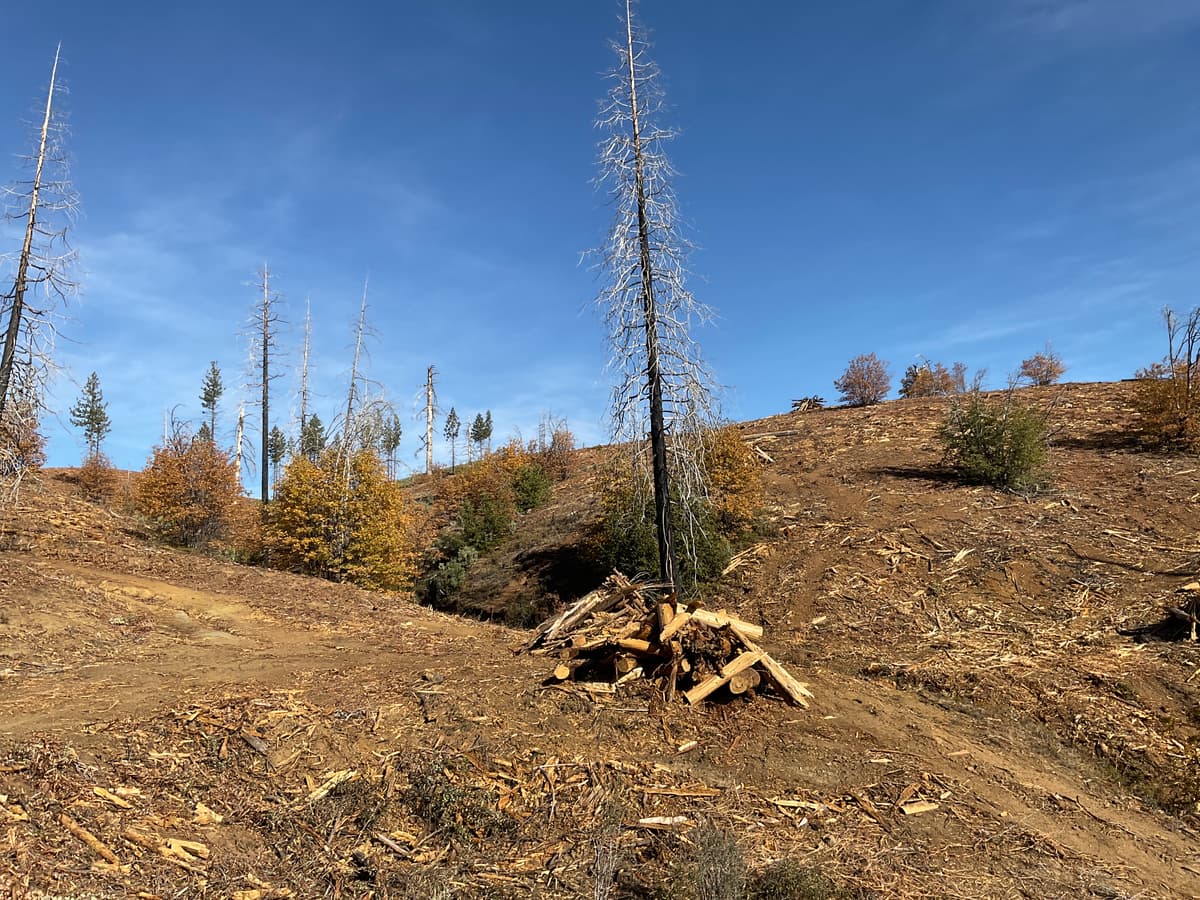
The Rim Wildfire Restoration Project aims to rehabilitate and restore the ecosystems affected by the devastating wildfires in the region. Through targeted replanting efforts, we will reintroduce native species, improve soil health, and enhance biodiversity. Our collaborative approach involves local communities, environmental organizations, and government agencies to ensure the success and sustainability of the restoration efforts.

Importance of this Project

Wildfires have a significant impact on forest ecosystems, leading to loss of habitat and increased carbon emissions. The Rim Wildfire Restoration Project plays a critical role in mitigating these effects by restoring the natural landscape and promoting carbon sequestration. By enhancing the resilience of the ecosystem, we not only benefit wildlife but also improve air and water quality for surrounding communities. This project is vital for fostering biodiversity and combating climate change.

💭

50,000

Tons of CO2 Offset

map

1,000

Acres of Land Restored

tree

200,000+

Native Trees Planted

image

Impacts & Benefits

The Rim Wildfire Restoration Project is designed to yield significant ecological, social, and economic benefits. By restoring native habitats, we help to revive wildlife populations that depend on these ecosystems. The project also promotes community engagement through volunteer opportunities and educational programs, fostering a strong sense of stewardship for the environment. Furthermore, by improving the resilience of these areas against future wildfires, we create a safer and healthier environment for future generations.


Start Planting

Community Benefits

  • Enhanced Air Quality: Restoration efforts improve air quality by reducing pollutants and increasing oxygen production through new plant growth.
  • Job Creation: The project creates job opportunities in the local community through restoration activities and maintenance.
  • Educational Outreach: Local schools and organizations are engaged in educational programs about conservation and environmental stewardship.
Start Planting